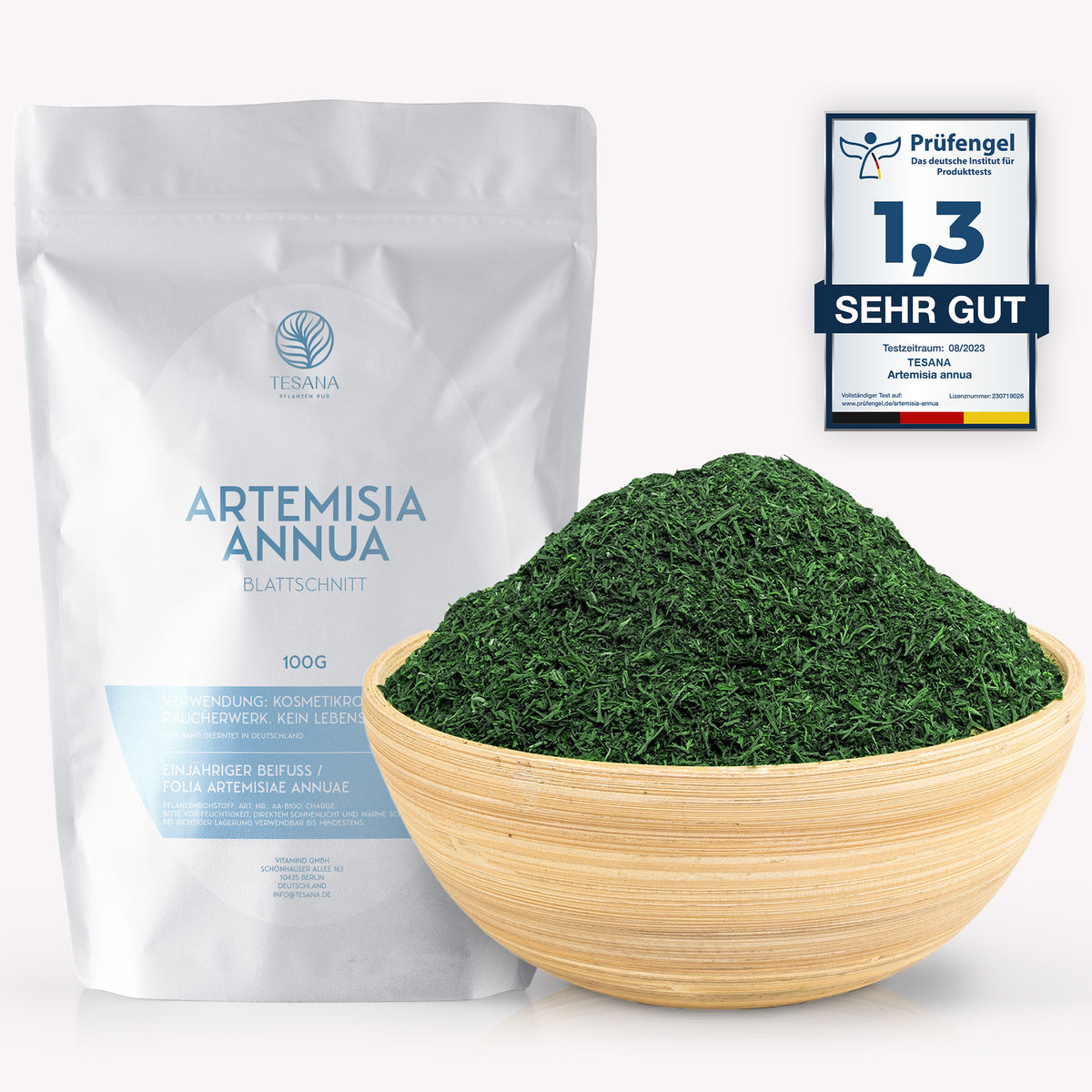
Artemisia annua leaf cutting Incense/Cosmetic Raw Material
Sale priceFrom 8,00 €
533,33 € /kg
Beliebt
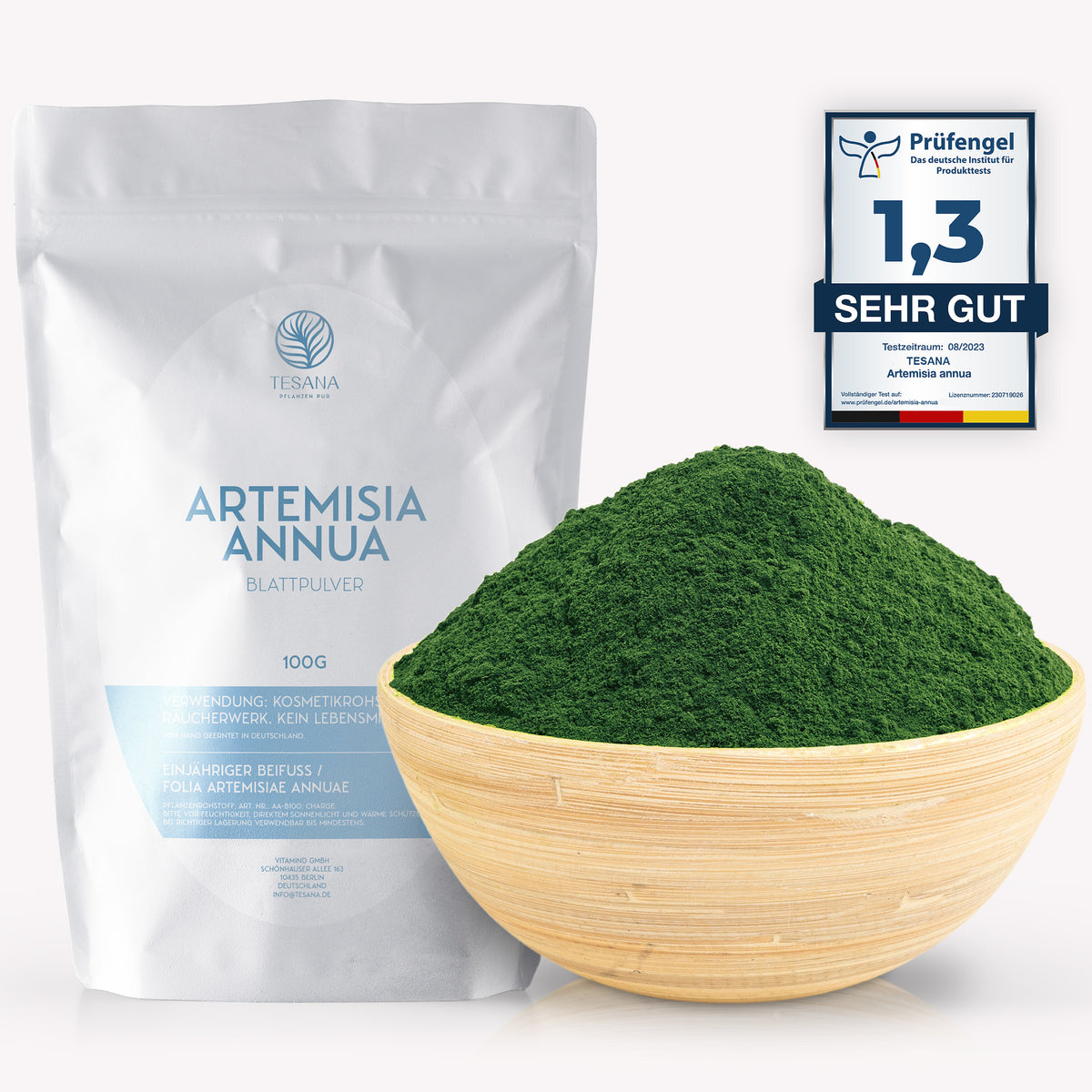
Artemisia annua leaf powder
Artemisia annua leaf powder Incense/Cosmetic Raw Material
Sale priceFrom 9,00 €
600,00 € /kg
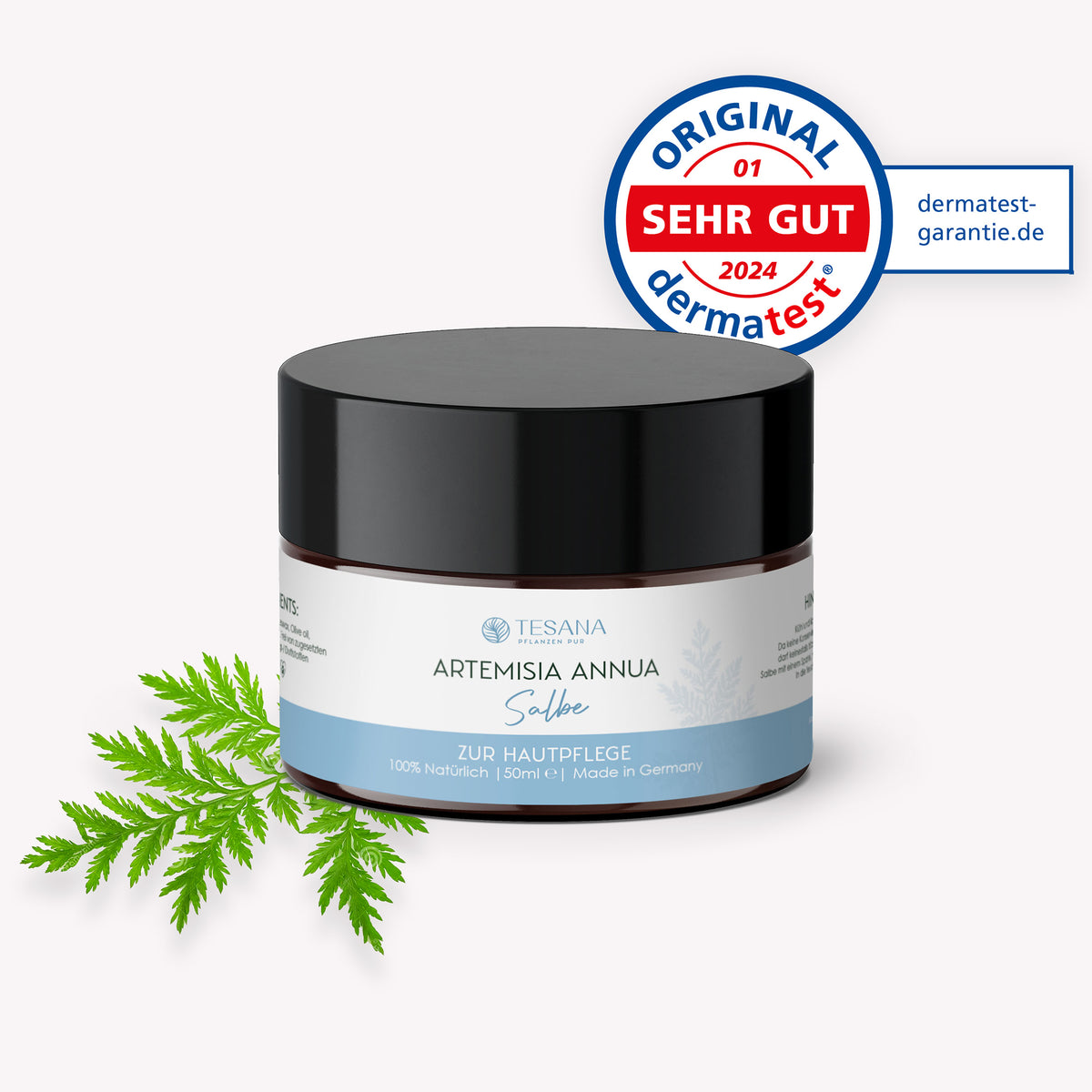
Artemisia annua ointment Natural cosmetics
Sale price38,00 €
760,00 € /kg
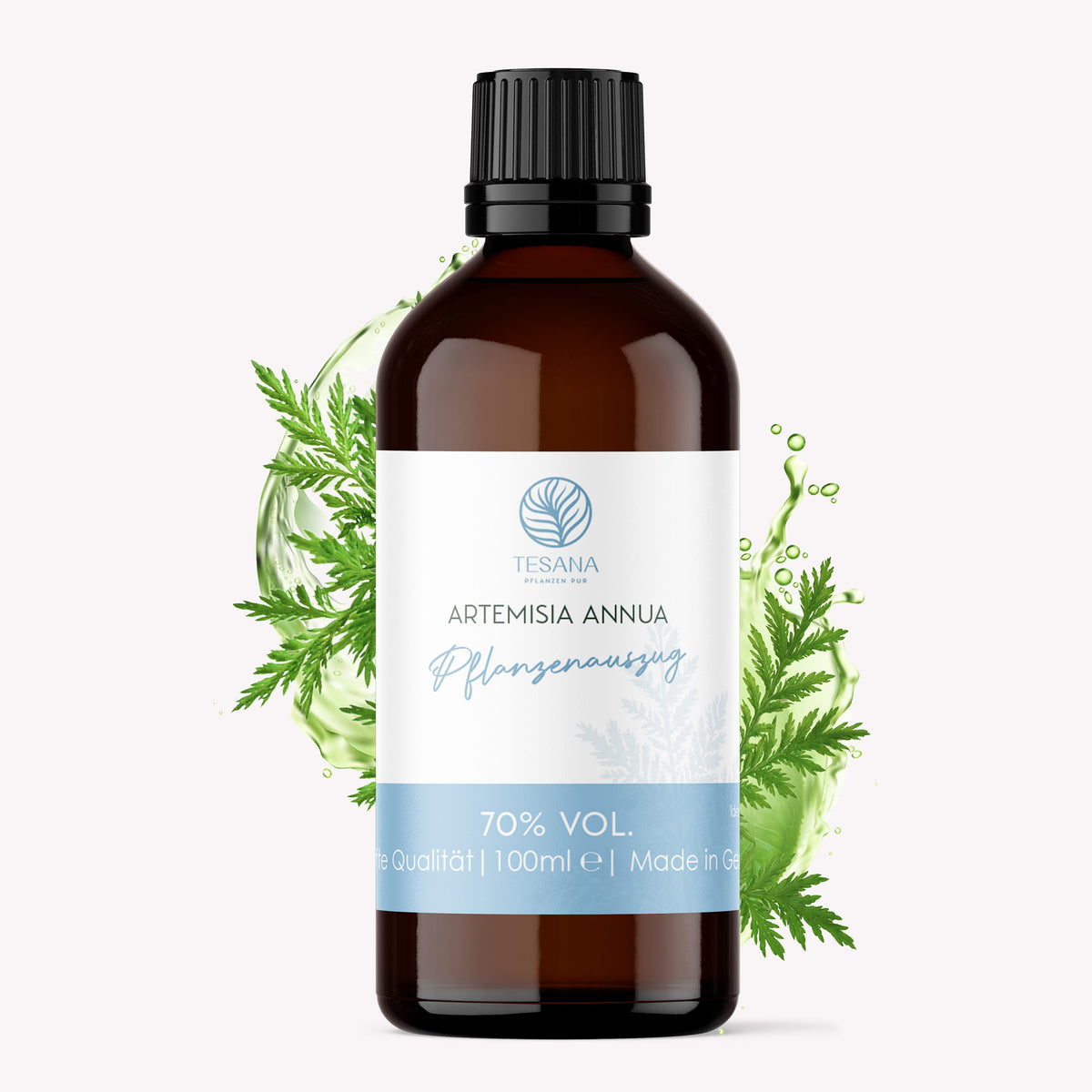
Artemisia annua plant extract alcohol 70% vol. Fragrance/Raw material
Sale price39,00 €
390,00 € /l
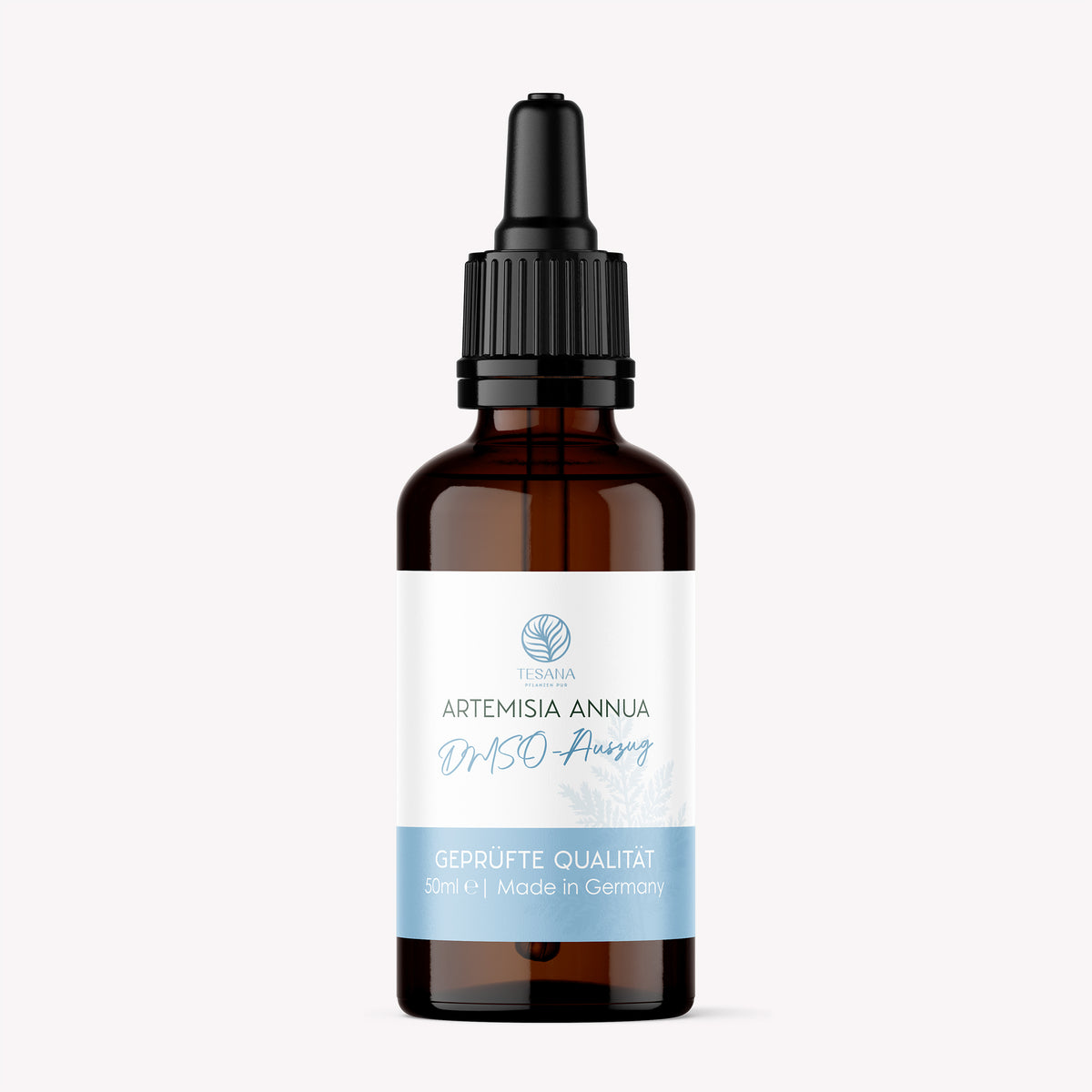
Artemisia annua DMSO Extract Fragrance/Raw material
Sale price38,00 €
760,00 € /l
Reduziert Neu
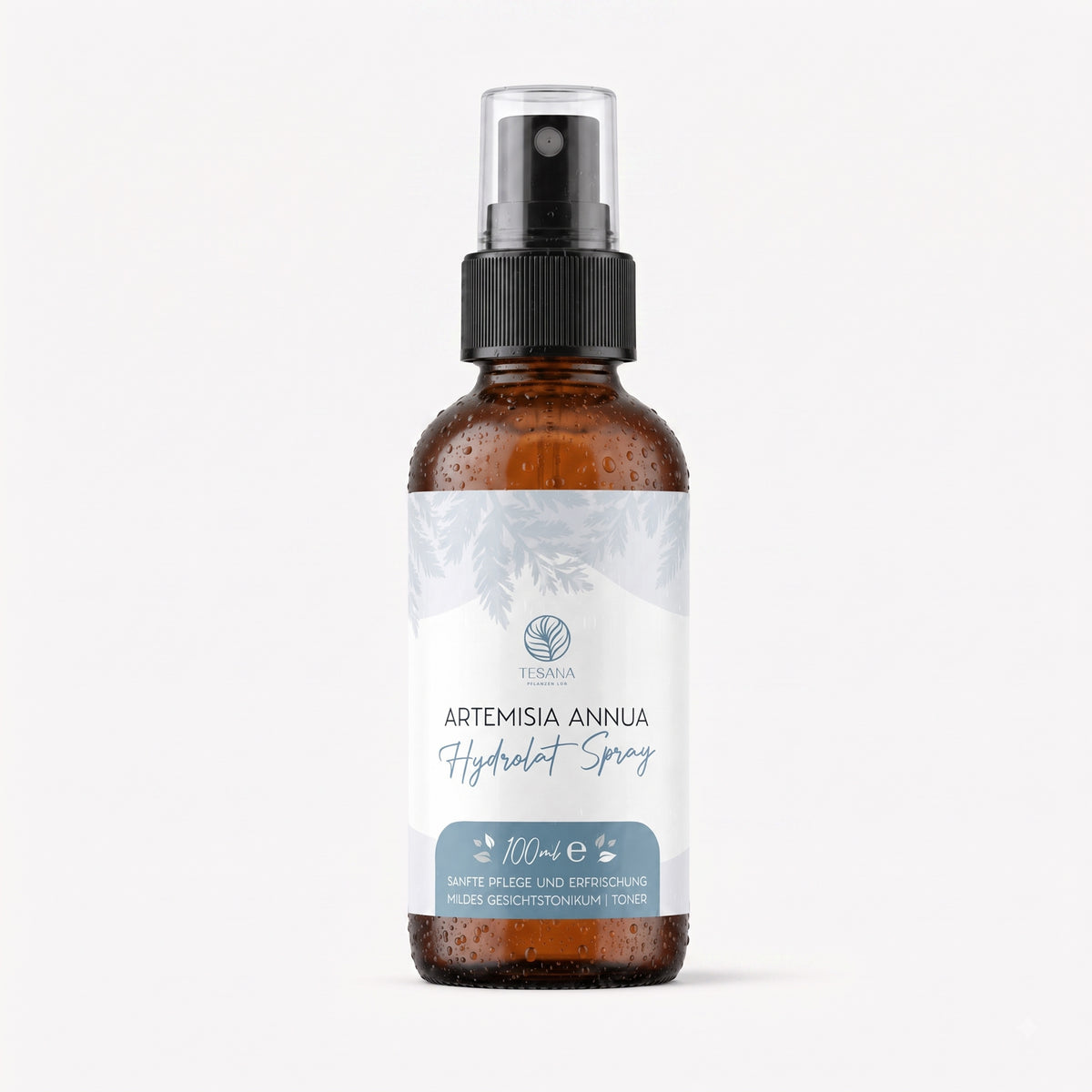
Artemisia annua hydrosol spray
Artemisia annua hydrosol spray Naturkosmetik
Sale price23,00 € Regular price29,00 €
Save 6,00 €
230,00 € /l
Artemisia annua Hand Cream Natural cosmetics
Sale price16,00 €
320,00 € /l
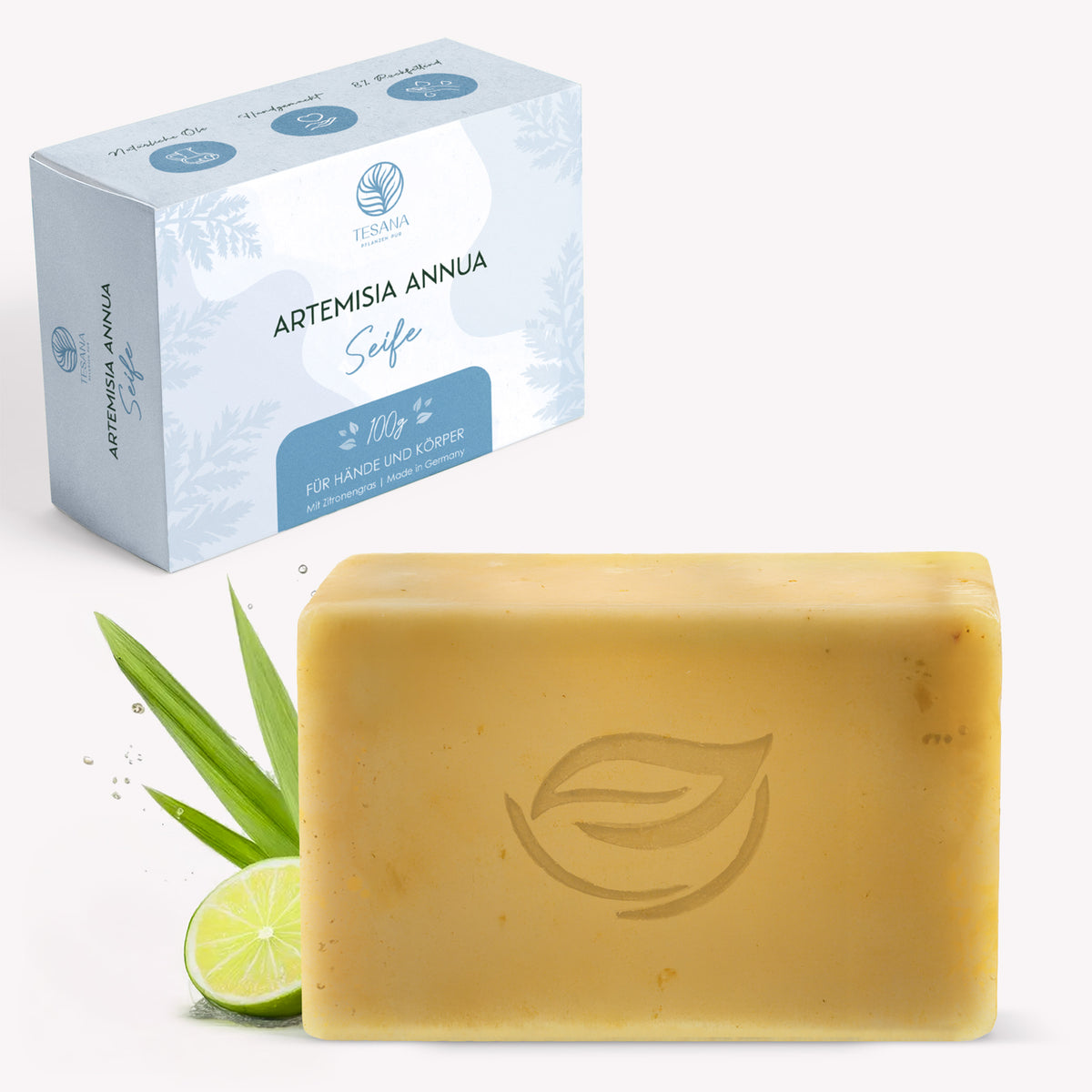
Artemisia annua soap Natural cosmetics
Sale price11,00 €
110,00 € /kg
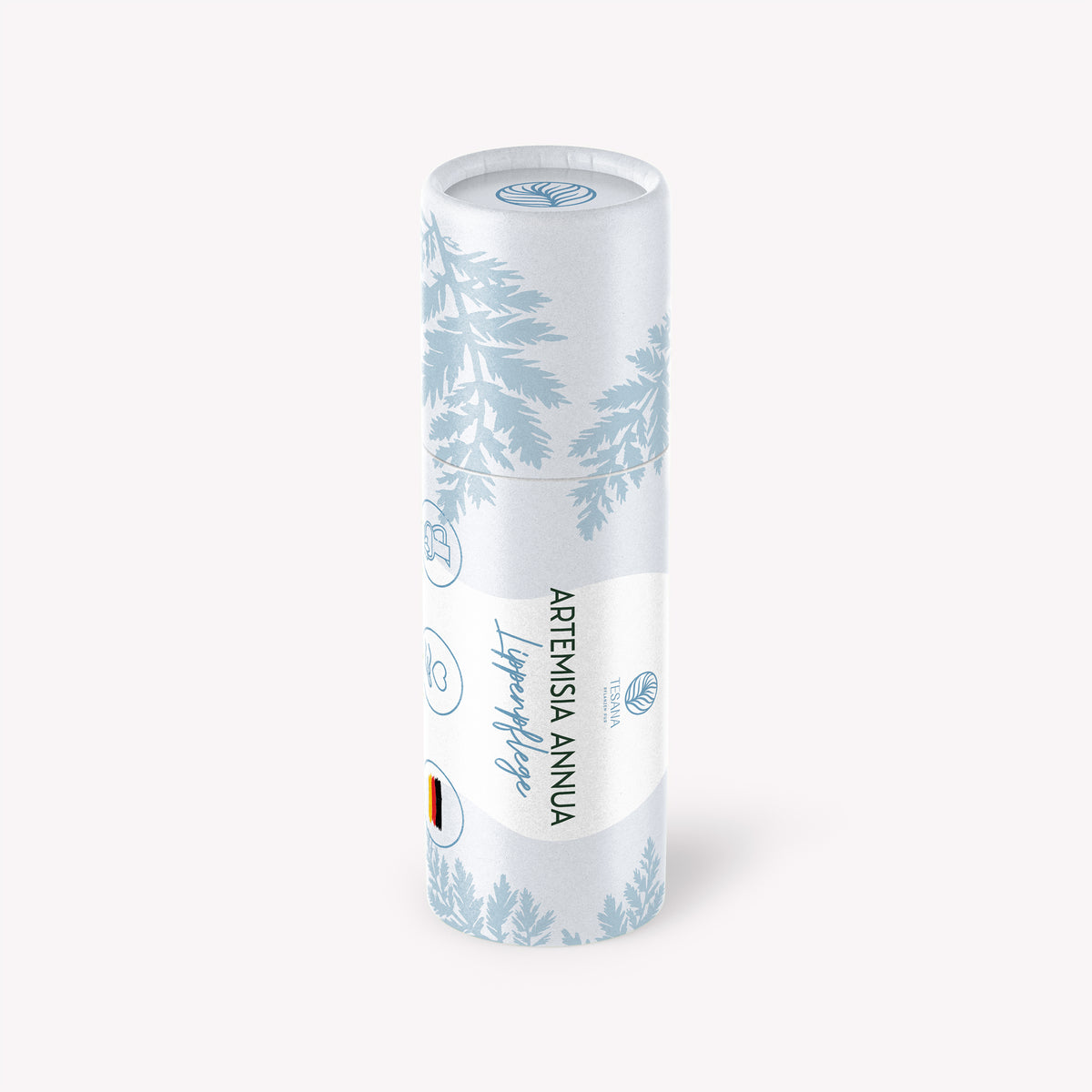
Artemisia annua lip care Natural cosmetics
Sale price12,00 €
1.500,00 € /kg
Reduziert
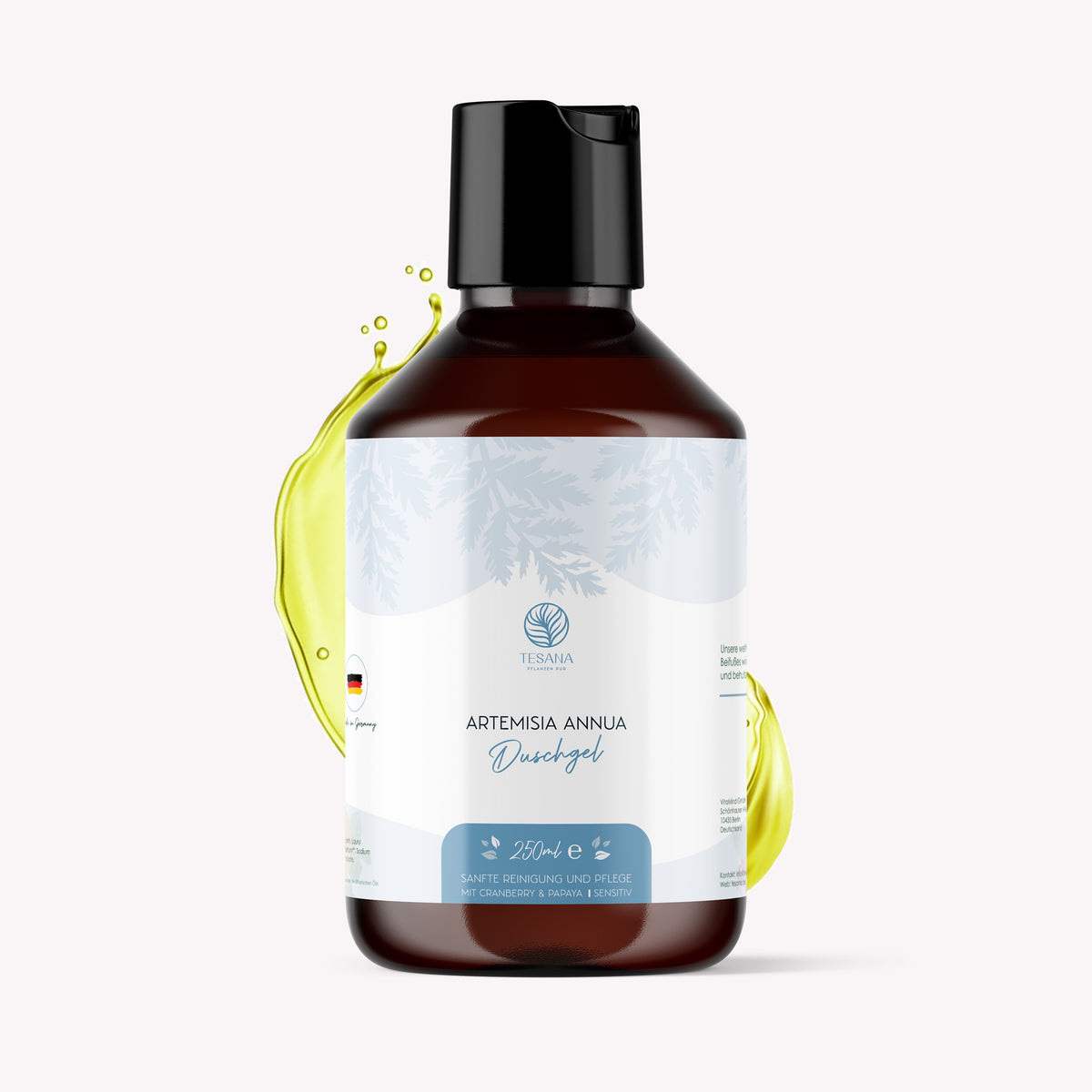
Artemisia annua shower gel
Artemisia annua shower gel Natural cosmetics
Sale price12,00 € Regular price16,00 €
Save 4,00 €
48,00 € /l

Buy high-quality Artemisia annua now

Artemisia annua, sweet wormwood - a plant that received little attention in Europe for a long time.

Undeservedly so, because Artemisia annua is an extremely significant plant. In Asia in particular, sweet wormwood has been highly regarded for more than 2,000 years; it was already used as incense there before the birth of Christ.

Below we explain what makes sweet wormwood so unique, how you can recognise good quality and why our Tesana quality differs from that of many conventional products.

Desktop Image Mobile Image

OUR ARTEMISIA ANNUA IN TESANA QUALITY

Our variety of Artemisia annua can have up to 20 times higher levels of selected natural plant compounds, which makes it especially popular as an ingredient in high-quality natural cosmetics.

With thorough care, it reaches an impressive height of up to 3 metres, even in tropical zones. This cultivar is free from any genetic modification.

In addition, it usually has no flowers yet at harvest time in late autumn, which makes it particularly allergy-friendly - a clear advantage when it is used as a cosmetic raw material.

Another characteristic is its high yield of leaves, of which we only use the very best in our final product.

The mechanical harvesting common in Europe usually involves tractors, which can result in up to 80% of the final product consisting of stems without any valuable content. Naturally, we want to avoid that, which is why we rely on careful hand harvesting.

Our leaves are stripped by hand with great care and then gently processed to preserve their many valuable compounds and to offer you a cosmetic raw material of the highest possible quality and purity.

Made in Germany: Our Artemisia is harvested and packed for you with heart and passion, exclusively by regional farmers in Germany. Far away from roads and industrial areas, it thrives on fertile, nutrient-rich soil in organic quality.

Discover the vibrant green of our unique quality and let our sweet wormwood win you over!

To Artemisia annua

Origin and characteristics

ARTEMISIA ANNUA - THE QUEEN OF PLANTS

This green plant from the daisy family (Asteraceae) originally comes from Asia. In the mountains of the northern Chinese provinces of Chahar and Suiyuan it is known as “Qinghao”. It has been cultivated there for centuries.

Today, however, sweet wormwood has also conquered other regions of our globe - the species can be found worldwide in many temperate, subtropical and tropical zones, including all of Asia, Europe and North Africa. It is not even deterred by the dry climate of deserts and semi-deserts and takes root there as well. It thrives best, however, on the Eurasian continent, where it can often be seen growing wild or in cultivation.

The Latin name “Artemisia annua” has its origin in Greek. “Artemis” is the highly revered goddess of the hunt, the moon and the forest, as well as the protector of children and women. As the name suggests, Artemisia annua is an annual plant. Thanks to their many essential oils, its finely serrated leaves give off an aromatic scent.

There are around 400 different species of wormwood and mugwort worldwide. The German name “Beifuß” (literally “by the foot”) comes from this: after marching for days, Roman soldiers rubbed their feet with mugwort plants to refresh them. Native to our region is above all common mugwort (Artemisia vulgaris), which was already highly valued by the Germanic peoples and used for traditional and ritual purposes. Wormwood (Artemisia absinthium) is also part of the Artemisia family. Because the leaves look distinctly different, it is not difficult to tell the various species apart.

INGREDIENTS

In total, sweet wormwood contains more than 600 different valuable compounds, which have been studied in depth, particularly over the last few decades.

The enticing scent of Artemisia annua is due to its high content of essential oils. These include limonene, menthol, alpha-terpinene, alpha-pinene, beta-pinene, carene, artemisia ketone, copaene, caryophyllene and alpha-terpineol.

This makes Artemisia annua suitable both as a valuable raw material for cosmetics and as incense.

See for yourself: buy Artemisia annua now.

A stroke of genius by nature

The queen of plants

Thanks to its significant content of essential oils, sweet wormwood is a very valuable element in aroma applications. Traditionally, it is also one of the oldest incense plants and was already used by our ancestors for various ritual purposes, as its many essential oils unfold wonderfully when heated.

The intense scent of Artemisia annua is also highly valued in agriculture. There, sweet wormwood is known as a natural means of keeping pests away and is often planted to repel pests such as aphids or mosquitoes.

Artemisia annua can also be used as a valuable raw material in natural cosmetics. Sweet wormwood is not intended for consumption and is not a food.

Your benefits when buying from Tesana

At Tesana, it is particularly important to us that you can place your full trust in us and our products. That is why we want to share the background and principles of our work with you and convince you of our high quality requirements and standards.

How do I recognise good Artemisia annua quality?

As the leaves of Artemisia annua are the part of the plant with the most compounds, the product should consist of pure cut leaves with a bright green colour and contain no stems or flowers, which is a particular advantage when it is used as a cosmetic raw material. A greyish or brownish colour indicates that the chlorophyll has been deactivated, which also means that other important compounds have been destroyed. In addition, sweet wormwood should not smell musty and the leaves should be properly dried.

GENTLE PROCESSING: QUALITY AND PURITY FOR ARTEMISIA ANNUA

At Tesana, we attach great importance to offering you only Artemisia annua products of the highest quality and purity. We only use the best leaves of Artemisia annua to make sure that you always receive the best possible quality and experience.

The process begins with the careful selection of Artemisia annua plants grown under optimal conditions. The leaves of the sweet wormwood are then carefully harvested by hand. Thanks to our gentle processing, we guarantee that our Artemisia annua products are free from impurities and meet the highest quality standards.

We are proud to offer you this purity and quality and warmly invite you to discover the Artemisia annua products in our range.

Immerse yourself in the fascinating, inexhaustible source of strength and inspiration of this masterpiece of nature!

OUR PRINCIPLES

  • Sustainability

    Our philosophy is to produce goods in a way that allows our world to exist for a long time to come. That is why we work closely with smallholder farmers from Germany and Africa who fully meet our high sustainability and organic standards. We also cooperate with several church communities in Germany that grow and harvest our Artemisia annua themselves. The proceeds in turn allow us to support development aid projects of our partners in Asia and Africa. We are also constantly working on improving our packaging: on the one hand, the leaves must be sealed airtight and watertight; on the other hand, this should involve minimal use of resources, and reusing or incinerating the packaging should not cause any harmful effects.

  • Unique quality

    We founded Tesana to be able to offer plant products of exquisite quality. Experts such as Prof. Dr. Max Moser, Dr. Angelika Weber and Dr. Sarah Moritz are also convinced by us and recommend our products.

  • Development partnership

    We pay high prices to our cooperation partners in developing countries, amounting to up to 3,000% of the local market value. This is the only way our growers and harvest workers there can send their children to school and feed their families adequately.

  • Respectful treatment

    We want to contribute to the recovery of our planet and our society, which is why we place very high demands on our agricultural processes. Our aim is therefore to practise gentle agriculture, in which people, animals and plants are all equally considered and respected.

  • Purity

    With us, you can buy Artemisia annua products with a clear conscience.

    Our products are 100% plant-based without unwanted additives. The producers we know personally supply us exclusively with goods produced without ionising radiation, genetically modified organisms, synthetic pesticides or readily soluble mineral fertilisers.

  • Regional cultivation with heart and passion

    Regionality is very important to us - our Artemisia is grown in Germany and carefully harvested by hand. By shopping in the Tesana online shop, you support a small business that maintains personal contact with you and is devoted to nature and the plant world with great passion and love.

OUR PRINCIPLES

WE ALSO OFFER YOU:

Fast shipping

Fast shipping with DHL including tracking updates.

Encrypted payment

You are free to choose which payment method you use.

Money-back guarantee

Reliable money-back guarantee, no questions asked.

Personal advice

Personal e-mail contact and telephone advice for all kinds of questions.

FREQUENTLY ASKED QUESTIONS

If you have any further questions, please do not hesitate to contact us by e-mail or telephone. We are happy to help and support you personally.

1. Use as a cosmetic raw material:
According to the CosIng database of the European Commission (Regulation (EC) No 1223/2009 on cosmetic products), CAS No.: 84775-74-6 | EC No.: 283-903-4, Artemisia annua is listed as a versatile cosmetic ingredient. It has skin-conditioning properties, supports a well-groomed complexion, has antimicrobial properties, can counteract excessive sebum production and also contributes to perfuming thanks to its natural scent.

You can download the complete IFRA list for all other applications here.

2. Use as a chemical raw material:
In accordance with the CLP Regulation (EC) No 1272/2008 and the C&L Inventory of ECHA (European Chemicals Agency).

3. Use as incense (traditional use):
When burned, the dried herb releases a slightly tart, sweetish-spicy scent that is described as clarifying and grounding.

Instructions:

  • Use a fireproof bowl or an incense burner with sand or a clay base.
  • Light a charcoal disc and let it glow through completely.
  • Place a small amount of the cut leaves/leaf powder on the glowing charcoal.
  • The rising smoke releases the aromatic properties.
  • Air the room well after burning.

Note:
Not intended for consumption. Not a food.
As Artemisia annua is a purely natural product, there may be slight differences in appearance and scent.

Our Artemisia is harvested and packed in Germany exclusively by certified producers and in accordance with the highest quality standards.

The usual harvest in Europe mostly involves tractors, so the finished product contains plenty of “weeds”. Our producers strip our leaves by hand gently and with great care and then process them carefully to offer you a product of the highest possible quality and purity.

Unlike standard quality, which consists of mechanically shredded plant parts and usually contains 80% stems without valuable content, our product is also far more concentrated.

Our variety of sweet wormwood can have up to 20 times higher levels of selected natural plant compounds, which makes it especially popular as an ingredient in high-quality natural cosmetics.

In addition, the plants usually have no flowers yet at harvest time in late autumn - a feature that makes this cultivar particularly allergy-friendly.

This “masterpiece from nature's green treasure chest” is available exclusively from us.

The only difference is that Artemisia annua or Moringa cut leaves are the dried leaves of the plant, whereas for Artemisia or Moringa leaf powder the same dried leaves are pulverised with a grinding machine.

Artemisia leaf powder is ideal as a cosmetic raw material, while Artemisia cut leaves are preferably used as incense.

There are no differences whatsoever in the compounds or components.

Sweet wormwood can be recognised by its characteristic features. Artemisia annua is not wormwood (Artemisia absinthium)!

Sweet wormwood has finely pinnate leaves and is easy to recognise by its strong green colour. Another distinguishing feature is its unmistakable scent.

Artemisia annua and Artemisia vulgaris differ in their appearance and their compounds.

Guaranteeing Artemisia annua products with high quality standards involves a great deal of effort.

It is therefore hardly surprising that the price of high-quality products is adjusted accordingly and that comparatively cheap products cannot possibly meet the same quality standards.

For example: a field worker in Germany earns about 100 times as much as a picker in north-east India. For the price we pay our German farmers for 1 kilo of Tesana production, we would get 150 kilos of (brown) wild-grown goods from Asia.

Sweet wormwood (Artemisia annua) and common mugwort (Artemisia vulgaris) are two remarkable plants from the daisy family (Asteraceae).

The leaves of sweet wormwood are finely pinnate, which gives them a delicate, graceful appearance. Their colour is deep green. The leaves of common mugwort are wider and larger.

The most important difference is that, unlike common mugwort, sweet wormwood (Artemisia annua) contains a high proportion of secondary plant compounds. Neither of them is a food.

Laboratory tested

All products are regularly tested microbiologically in renowned German testing laboratories.

Sustainability test winner

We have been tested for sustainability according to the TSO standard.

Excellent customer service

We look forward to hearing from you and take care of you individually and with heart.

Trusted Shops buyer protection

Your purchase is protected by Germany's best-known trust seal.